
Guide To TPO Roofing [Everything To Know]

Flat and low-slope roofs have their own set of challenges, and not every material can handle the job. That’s where TPO roofing has made a name for itself – offering energy savings, watertight seams, and a balance of cost and performance that property owners pay attention to. We’ll break down exactly what TPO roofing is, how it stacks up against other options, what it costs, and whether it’s the right fit for your roof. Key Notes TPO reflects up to 80% of UV rays, significantly reducing cooling costs compared to dark membranes. Installation costs range $4.50-$16 per sq ft, with heat-welded seams critical for waterproofing. Lifespan averages 15-20 years, shorter than EPDM but more energy-efficient than rubber. Best suited for flat/low-slope roofs under a 3:12 pitch on commercial and modern residential buildings. What is TPO Roofing? TPO stands for Thermoplastic Polyolefin, a single-ply roofing membrane that’s been around since the 1990s. It’s made from a blend of polypropylene (a thermoplastic polymer) and ethylene-propylene rubber (a synthetic elastomer), reinforced with a polyester scrim. The result: A lightweight, flexible, and durable sheet designed to cover flat or low-sloped roofs. A few key things about its composition: The polypropylene gives TPO its thermoplastic properties, allowing seams to be heat-welded for watertight joints. The ethylene-propylene rubber adds flexibility and resilience against temperature swings. Most membranes come with UV stabilizers and abrasion-resistant compounds to hold up under harsh sunlight. Unlike PVC, TPO is chlorine-free and recyclable, which earns it points on the eco-friendly front. Key Features & Benefits of TPO Roofing Why has TPO roofing become so popular? A handful of benefits stand out: Energy Efficiency: TPO membranes are usually white or light-colored, reflecting up to 80% of UV rays. This reduces roof surface temperatures and helps cut cooling costs. Durability: Resistant to punctures, tears, and dirt build-up, with strong heat-welded seams. Flexibility: Performs well across temperature ranges – even as low as -50°F. Eco-Friendly: Recyclable, chlorine-free, and compliant with energy-efficient building standards like Energy Star and LEED. Low Maintenance: Less upkeep than some other roofing systems, especially if installed correctly. TPO Roofing vs. Other Membranes TPO isn’t the only single-ply roofing option. Here’s how it stacks up: TPO vs EPDM (Rubber Roofing): EPDM can last 40–50 years and is easier to install thanks to adhesive seams, but it’s usually black (absorbs heat) unless coated. TPO, while not as long-lived, is reflective and more energy efficient. TPO vs PVC: PVC offers excellent chemical and fire resistance but contains chlorine and plasticizers, which raise environmental concerns. TPO is greener and usually less expensive, but PVC tends to perform better in very hot or chemical-heavy environments. Quick Snapshot: TPO: Affordable, energy-efficient, recyclable. EPDM: Long lifespan, easier install, less reflective. PVC: Strong chemical resistance, higher cost, less eco-friendly. Applications of TPO Roofing TPO was developed with commercial buildings in mind, but it has crossed over into residential use too. Commercial/Industrial: Warehouses, office buildings, and manufacturing facilities with wide, flat roof spans. Residential: Modern homes with flat or low-slope roof designs benefit from TPO’s energy savings and watertight seams. Best for Roofs: Slopes under 3:12 (around 14 degrees). Beyond that, shingles, tiles, or metal are usually better options. TPO also pairs well with solar panels and green roofing systems since its reflective qualities help optimize energy performance. TPO Roofing & Climate Suitability TPO performs differently depending on climate: Hot Climates: Excels here thanks to reflectivity. Buildings stay cooler, HVAC systems work less, and energy bills drop. The caveat: in extreme, prolonged heat, some lower-quality TPO can degrade faster. Cold Climates: Flexible even in freezing conditions, handling freeze-thaw cycles well. Proper installation and drainage are critical to prevent ice dams or seam stress. Humid/Coastal Areas: Works fine, but PVC might be a stronger choice where saltwater, oils, or harsh chemicals are present. TPO Roofing Cost TPO is often praised for its balance of cost and performance. Typical ranges (materials + installation) run $4.50 to $16 per square foot, with most projects falling between $5 and $12. Cost Breakdown: Materials: $1 – $2.50 per sq. ft. Labor/Installation: $2.50 – $7 per sq. ft. Insulation/Components: $0.50 – $4 per sq. ft. Old Roof Removal (if needed): $1 – $2 per sq. ft. Example A 1,500 sq. ft. commercial roof can run anywhere from $6,500 to $24,000 depending on factors like thickness, insulation, and local labor rates. Compared to others: EPDM: Similar or slightly lower cost PVC: More expensive than TPO Installation Methods There are three main ways to install TPO roofing: Mechanically Fastened: Attached with screws and plates. Cost-effective and good for high-wind areas but leaves visible fasteners. Fully Adhered: Glued down with adhesives. More expensive but provides a smoother look and stronger resistance to wind uplift. Ballasted: Held down with gravel or pavers. Less common and requires a deck strong enough to handle the weight. No matter the method, heat welding seams is critical. Done right, it creates a seamless, watertight bond. Done poorly, it’s a recipe for leaks. This is why professional installation is highly recommended. Lifespan & Performance TPO roofing usually lasts 15–20 years, but with quality installation and maintenance, it can stretch to 25–30 years. What shortens lifespan: Poor workmanship (bad seam welding, uneven adhesion). Harsh climates (extreme UV or prolonged heat). Heavy foot traffic or rooftop equipment. Ponding water from poor drainage. What extends lifespan: High-quality membranes with UV stabilizers. Professional installation. Regular inspections and quick repairs. Moderate climates with minimal rooftop stress. Maintenance & Repairs Like any roof, TPO needs regular care: Inspect at least twice a year plus after storms. Clean dirt, algae, and debris with low-pressure washing. Keep gutters and drains clear to avoid ponding water. Check flashing and seals around penetrations. Fix punctures or seam issues quickly with welded patches. Repairs are fairly straightforward for pros. Damaged seams can be re-welded, and punctures patched. DIY isn’t recommended since hot-air welders and know-how are essential. Key Considerations Before Choosing TPO Roofing Before committing to TPO, weigh
Rolled Roofing vs Shingles | Cost & Applications

When it comes to roofing, not every option is built for the same job. Rolled roofing is quick and inexpensive, often used on garages or sheds, while shingles are built to last decades and bring real curb appeal. Both have their place – but the right choice depends on your roof, budget, and plans. We’ll compare rolled roofing vs shingles in terms of cost, applications, and long-term value. Key Notes Rolled roofing costs $1.50-$2.50/sq ft but lasts only 5-10 years vs shingles at $3.50-$10.00/sq ft for 20-30+ years. Rolled roofing works best on flat/low-slope roofs for garages and sheds; shingles suit pitched residential roofs. Shingles provide superior weather resistance against wind, rain, and UV damage in all climates. Installation complexity differs: rolled roofing allows DIY application while shingles require professional installation. What Is Rolled Roofing? Rolled roofing is exactly what it sounds like: long rolls of asphalt-based roofing material, typically 36 inches wide, used to cover flat or low-slope roofs quickly. It’s usually made from asphalt-saturated felt or fiberglass topped with a mineral coating. You’ll usually see it on garages, porches, sheds, or barns – not homes. It’s a one-layer, no-frills solution that gets the job done fast and cheap. But it’s not known for its looks or longevity. Lifespan averages 5–10 years, and it’s more vulnerable to harsh weather. Pros: Budget-friendly Fast to install Lightweight Low material waste Cons: Short lifespan Limited curb appeal Lower weather resistance What Are Asphalt Shingles? Asphalt shingles are the go-to choice for residential homes. They come in pre-cut, individual pieces (usually 12×36 inches) made from fiberglass mats soaked in asphalt and topped with ceramic granules. They come in different styles – 3-tab, architectural, and luxury shingles – and they’re layered to create a textured, water-shedding barrier. Pros: Long-lasting Better curb appeal Available in many colors and styles Good in all climates Cons: Higher upfront cost More complex installation Heavier than rolled roofing They’re built to last, typically 20–30 years or more depending on quality and installation. Key Differences: Rolled Roofing vs Shingles Let’s break down the core differences: Feature Rolled Roofing Asphalt Shingles Material Format Large rolls (36″ wide) Individual pieces (12×36″) Roof Type Flat or low-slope Pitched roofs Lifespan 5–10 years 20–30+ years Installation Fast, one-layer Slower, multi-layer Aesthetics Basic, minimal color options 3D texture, curb appeal Weather Resistance Moderate High (UV, wind, hail, rain) Cost (Installed) $1.50–$2.50/sq ft $3.50–$10.00/sq ft DIY-Friendly? Yes Not recommended Rolled roofing is the quick fix. Asphalt shingles are the long game. Cost Comparison: Rolled Roofing vs Shingles Rolled Roofing Costs: Materials only: $0.30–$1.00/sq ft Installed: $1.50–$2.50/sq ft Labor: Typically $1–$2/sq ft Asphalt Shingle Costs: 3-tab shingles: $3.50–$5.00/sq ft installed Architectural shingles: $5.00–$7.00/sq ft Luxury shingles: $8.00–$10.00+ per sq ft Labor: Often $3–$5/sq ft due to complexity What Homeowners Forget To Budget For: Tear-off and disposal of old roofing Underlayment Flashing Decking repairs Permit costs Shingles cost more upfront, but you replace them far less often. Rolled roofing may be cheaper day one, but over 20 years, you’ll likely replace it twice. Performance in Different Climates Rain: Shingles win hands down. Their overlapping layers are built to shed water. Rolled roofing has seams that can fail over time. Snow: Shingles work better on pitched roofs that let snow slide off. Rolled roofing on flat surfaces can collect snow, ice, and water – leading to damage. Wind: Heavier shingles, especially architectural ones, resist wind uplift better. Rolled roofing is lighter and more prone to peeling in high winds. Sun/UV: Shingles have UV-blocking granules. Rolled roofing breaks down faster under strong sun. So if you’re in a region with serious weather swings, shingles are worth the upgrade. Best Use Cases for Rolled Roofing Rolled roofing shines when: It’s functional. Affordable. Temporary. And best used where no one’s going to judge your roof. Best Use Cases for Asphalt Shingles Asphalt shingles are the better choice when: You’re working on a residential pitched roof The home’s curb appeal matters You plan to stay long-term You need a roof that lasts 20–30 years You live in a climate with snow, wind, or heavy rain For most homes, shingles just make sense. Common Mistakes to Avoid Using rolled roofing on steep pitches. It’s not built for it. Water will find a way in. Skipping underlayment. Even for budget jobs, skipping the moisture barrier leads to problems. Choosing based only on price. What’s cheap now might cost more later. Ignoring climate. Rolled roofing in storm-prone or sunny areas won’t hold up well. DIY without experience. Rolled roofing seems easy – until it leaks. Shingles need a pro. Overlooking aesthetics. Especially if you plan to sell – roof appeal can boost resale value. Need Help Choosing The Right Roof? Get expert advice tailored to your home and budget. BOOK YOUR FREE APPOINTMENT Frequently Asked Questions Can you layer new rolled roofing over old rolled roofing? Yes, in some cases you can install a new rolled roof over an old one if the surface is clean, flat, and in decent condition. But adding another layer can reduce lifespan and may void warranties. Do either of these roofing types qualify for energy efficiency tax credits? Most standard asphalt shingles and rolled roofing do not qualify. However, certain ENERGY STAR-rated reflective shingles may be eligible depending on local or federal programs. Is rolled roofing waterproof? It’s water-resistant but not fully waterproof long-term. Seams can degrade over time, especially on flatter roofs, making it less reliable than shingles in heavy rain zones. Conclusion Choosing between rolled roofing vs shingles comes down to what you need most – speed and low cost, or long-term durability and curb appeal. Rolled roofing is practical for sheds, garages, and other low-slope projects where looks don’t matter and budgets are tight, but it won’t last more than a decade. Shingles, on the other hand, suit residential roofs where appearance, resale value, and weather protection matter, often holding up 20–30 years or more. If you’re weighing cost, lifespan, or what works best for your roof’s slope, booking a free appointment with Go Roofing is the easiest way to get clarity. We’ll assess your
7 Best Roof Replacement Options For Your Home
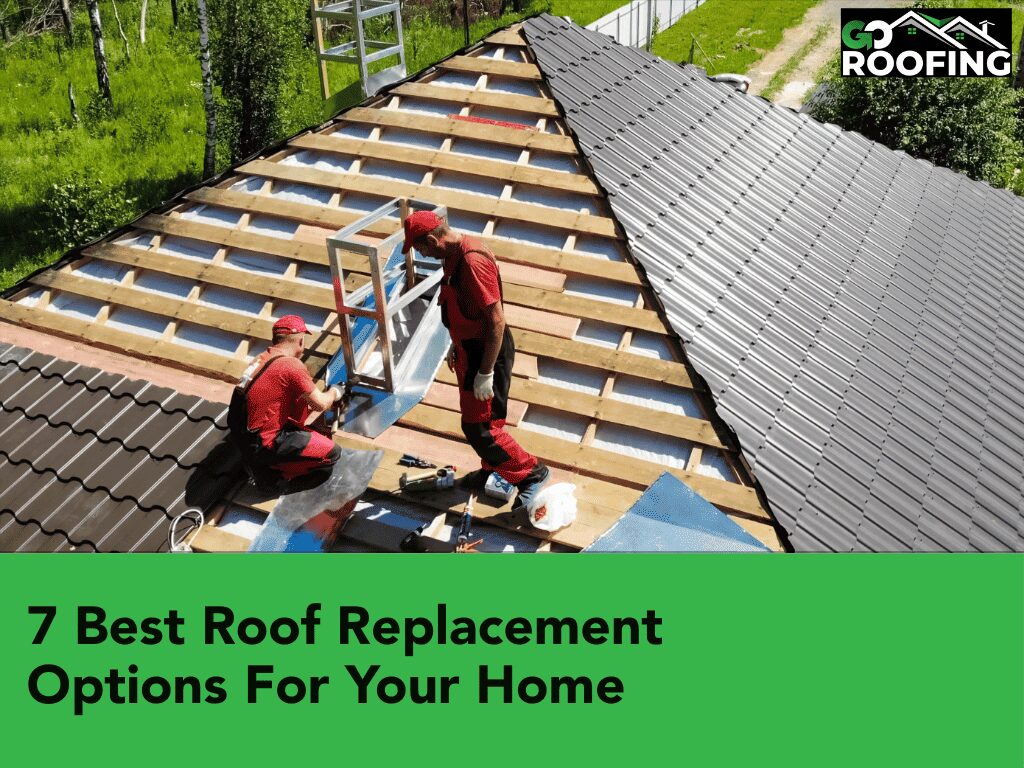
Your roof does more than keep the rain out—it protects your home, your family, and everything inside. So when it’s time for a replacement, you don’t just want “good enough.” You need something durable, stylish, and within budget. That’s why we’ve broken down the best roofing options, comparing lifespan, cost, and energy efficiency, so you can make the smartest choice for your home—without second-guessing it. Key Notes Metal roofs last 40-70 years and boost energy efficiency despite higher upfront costs. Asphalt shingles offer budget-friendly versatility with moderate 20-30-year lifespans. Tile and slate provide premium durability but require structural reinforcement. Best Roof Replacement: Know Your Materials Finding the best roof replacement for your home isn’t just about picking the cheapest or the toughest material. It’s about balancing cost, durability, maintenance, and style. The right choice protects your home for decades, boosts curb appeal, and even improves energy efficiency. 1. Metal Roofing Metal roofing is a powerhouse in durability and energy efficiency. It’s built to last—some metal roofs hold up for 70 years or more. They reflect sunlight, keeping your home cooler in hot months, and they’re resistant to fire, wind, and impact damage. Pros: Long lifespan (40–70 years) Fire, wind, and impact-resistant Energy-efficient, lowers cooling costs Low maintenance Cons: Higher upfront cost Noisy during rain and hail Prone to denting (depending on the metal type) Cost: $8–$16 per sq. ft. 2. Asphalt Shingles Asphalt shingles are the most common choice for a reason. They’re affordable, versatile, and easy to install. They last 20–30 years and come in a wide range of styles, including premium architectural shingles that mimic high-end materials. Pros: Budget-friendly Variety of colors and styles Simple installation and repair Moderate lifespan (20–30 years) Cons: Less durable than metal or tile Prone to mold and algae growth Not the most eco-friendly option Cost: $3–$6 per sq. ft. 3. Tile Roofing Tile roofs, made from clay or concrete, are built to last over a century in the right climate. They’re naturally resistant to fire, rot, and insect damage, and they give homes a distinctive, timeless look. Pros: Lifespan of 50–100 years Fire and weather-resistant Low maintenance Energy-efficient Cons: Heavy, so need reinforced roofing structure Expensive upfront Brittle Cost: $10–$25 per sq. ft. 4. Slate Roofing Slate is a natural stone material that exudes luxury. It’s heavy, but it’s also one of the most durable roofing options available. If installed correctly, a slate roof can last well over 100 years. Pros: Extremely long lifespan (75+ years) Naturally fire-resistant Aesthetic appeal Low maintenance Cons: More expensive Needs structural reinforcement Breakable Cost: $15–$30 per sq. ft. 5. Wood Shingles and Shakes Wood shingles offer a rustic, natural look. They’re often made from cedar, redwood, or pine and provide decent insulation. However, they need regular maintenance to prevent rot and insect damage. Pros: Natural, timeless aesthetic Decent insulation properties Moderate lifespan (25–40 years) Eco-friendly when sourced sustainably Cons: Frequent maintenance Prone to mold, rot, and insect damage Fire risk without treatment Cost: $6–$12 per sq. ft. 6. Flat Roofing (TPO, EPDM, PVC) Flat roofing is common in modern homes and commercial buildings. It provides extra usable space for solar panels or rooftop gardens. Materials like TPO, EPDM, and PVC each offer different benefits. Pros: Affordable and lightweight Easy to install and repair Ideal for solar panel installation Cons: Limited lifespan (15–30 years) Prone to leaks Not suitable for all climates Cost: $4–$10 per sq. ft. 7. Green Roofing Green roofs are covered with vegetation, improving insulation and reducing stormwater runoff. They’re an eco-friendly option that adds a unique aesthetic to your home. Pros: Great insulation Reduces stormwater runoff Aesthetically unique Cons: High installation and maintenance costs Needs structural reinforcement Maintenance-intensive Cost: $10–$25 per sq. ft. Choosing The Right Roof Shouldn’t Be A Guessing Game We’ll match the perfect roofing to your home’s needs GET FREE QUOTE NOW Frequently Asked Questions What are the best roofing shingles for durability? The best roofing shingles for durability are usually architectural asphalt shingles as they last longer and offer better protection than standard 3-tab shingles. How do I choose the right roofing material? When choosing your roofing material, consider your climate, budget, and home’s structure. Heavier materials like tile and slate need reinforced roofing. What is the best roof replacement for energy efficiency? If you’re thinking of roof replacement for energy efficiency then metal and green roofs are best as they reflect heat and provide insulation. Conclusion A new roof isn’t just about covering your home—it’s about finding the right balance of durability, cost, and style that fits your needs. Whether you’re looking for a budget-friendly option like asphalt shingles, the longevity of slate or tile, or the energy efficiency of metal, each material has its strengths. Your choice impacts not just how your home looks but how it holds up over time. If you’re ready to replace or repair your roof, we’re here to help. Contact us today for a free quote, and let’s find the best roofing solution for your home—no guesswork, just expert advice.
How Much Does Roof Replacement Cost? [2025 Guide]
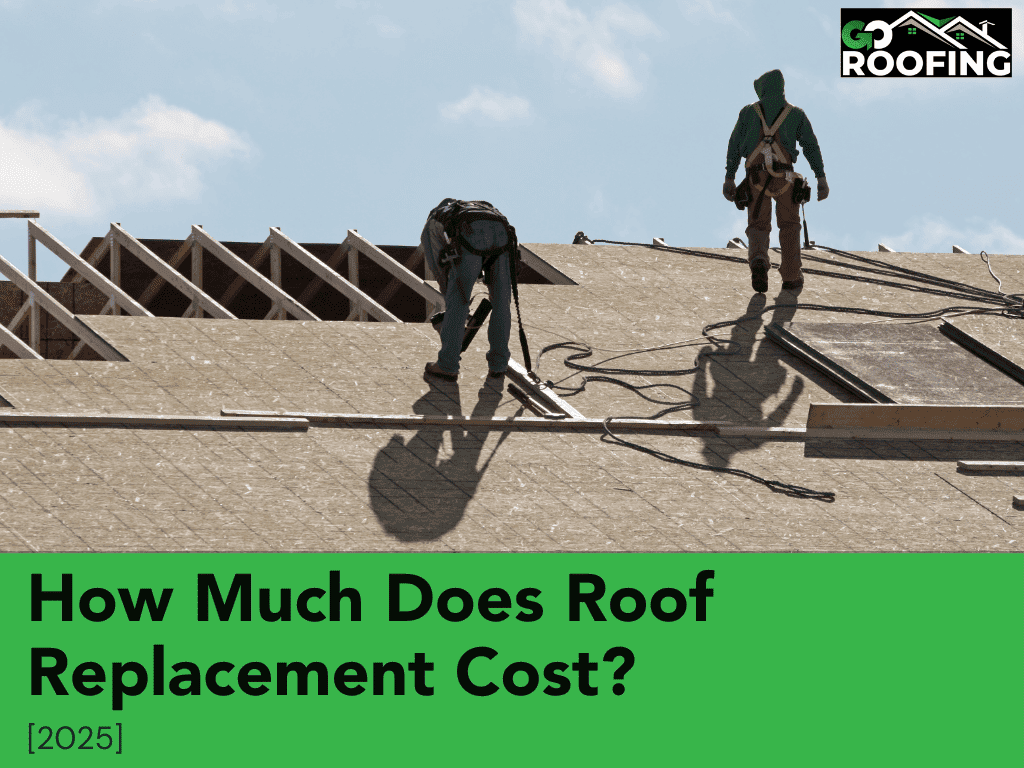
Roof replacement is one of the biggest home investments you’ll make. In 2025, prices range widely based on materials, labor, and even the season you choose to install. Whether you’re planning ahead or facing an urgent replacement, understanding the real costs helps you budget smarter. We’ve installed thousands of roofs and know exactly where the money goes—and how you can keep more of it in your pocket. Key Notes Roof size and complexity directly impact costs—more slopes mean higher labor expenses. Late fall/winter installations save up to 20% due to decreased demand. Regional factors like Northeast winterization and West Coast fire resistance affect material choices. Overview: Roof Replacement Costs Material Cost per Sq. Ft. Lifespan Key Benefits Metal $10 – $18 50 – 75 years Durable, fire-resistant Asphalt $5 – $10 20 – 30 years Affordable, easy to install, versatile Tile $15 – $30 50+ years Long-lasting, fire-resistant, aesthetic Cost Breakdown by Roofing Material Choosing the right material is a balancing act between upfront costs, durability, and aesthetics. Let’s take a look at what you can expect to pay: 1. Metal Roofing Metal roofing is durable and low maintenance. It can withstand harsh weather and offers a modern look. This material resists rust, corrosion, and wear, so little roof maintenance is needed. A reflective coating on most metal roofs reduces heat absorption, making itl a good option for homeowners in hot climates. As metal roofing is 100% recyclable, you know you’re making a sustainable choice. Materials: Steel, aluminum, copper, or zinc. Average Cost: $10 – $18 per square foot installed. Lifespan: 50 to 75 years. Pros: Durable Energy-efficient Low maintenance Fire resistant Cons: Higher upfront cost Noise during rain 2. Asphalt Shingle Roofing Asphalt shingles are the most popular choice for roof replacement due to their affordability and versatility. Asphalt is lightweight, yet durable, so only needs occasional inspections. Some modern designs include reflective technology to help regulate indoor temperatures and keep your energy bills in check. These roofs are easy to install and come in a variety of styles to match any home. Materials: Standard or architectural shingles. Average Cost: $5 – $10 per square foot installed. Lifespan: 20 to 30 years. Pros: Affordable Easy to install Widely available Often include recyclable materials for sustainable roofing Cons: Shorter lifespan Less durable in extreme weather 3. Tile Roofing Tile roofing offers a classic look with incredible durability. It’s fire-resistant and can last a lifetime, but its heavy weight needs a strong roof structure. When properly installed, tile roofing allows for natural airflow, helping to keep your home cooler in summer. Tile is a popular choice for Mediterranean and rustic-styled homes. Tile roofing is often made from reusable materials, making it a greener choice. Materials: Clay, concrete, or composite tiles. Average Cost: $15 – $30 per square foot installed. Lifespan: 50+ years, with slate lasting over 100 years. Pros: Great curb appeal Fire-resistant Durable Resistant to rot and insects Cons: Heavy (may need structural reinforcement) Expensive installation How to Calculate Roof Replacement Cost per Square Foot 1. Measure Your Roof’s Square Footage Measure the length and width of each roof section and multiply to get the square footage. 2. Account for Roof Pitch If your roof is steep, multiply the square footage by a pitch factor (e.g., 1.2 to 1.5) to account for the extra surface area. 3. Choose Your Material Different materials have different costs per square foot. Factor in both the material and installation costs. 4. Add Labor Costs Labor can add $1.50 to $5.50 per square foot, depending on complexity and your location. 5. Include Additional Expenses Don’t forget about old roof removal, permits, and possible structural reinforcements. Regional Cost Estimates in the US Roofing prices fluctuate based on where you live: Northeast: Higher labor costs, need for winterization South: Heat-resistant materials recommended Midwest: Materials that handle temperature changes well West Coast: Fire-resistant roofing in wildfire zones Southeast: Moisture-resistant and storm-ready materials Additional Costs to Consider Here’s what else might hit your wallet: Old Roof Removal Expect to pay $1 – $5 per square foot to remove and dispose of old roofing materials. Permits and Inspections Depending on where you live, permits might set you back $150 to $500. Professional inspections can add to the cost but are worth it to avoid issues later on. Structural Reinforcements If you’re upgrading to heavier materials like tile, you may need structural reinforcement. Costs range from $1,000 to $10,000 depending on the scope of work. Underlayment and Insulation Adding underlayment and insulation can increase upfront costs but save money on energy bills. Roof Pitch and Accessibility Steep or hard-to-access roofs increase labor costs by 10% to 20%. Ready For A Roof That Fits Your Budget? Our pricing is transparent & our experts maximize your investment GET FREE QUOTE NOW Frequently Asked Questions What time of year is the cheapest to replace a roof? The cheapest time of year to replace your roof is late fall and winter when prices drop due to lower demand. What is the best roof for your money? Asphalt shingles provide the best balance of cost, durability, and ease of installation. What is the life expectancy of a roof? The life expectancy of a roof varies by material type with asphalt roofs lasting anywhere from 20 years and slate tile enduring the elements for up to 100 years. Conclusion Your roof isn’t just overhead protection—it’s a long-term investment in your home’s value, efficiency, and safety. Materials matter: choose asphalt for budget-friendly protection (20-30 years), metal for decades of low-maintenance performance (50-75 years), or tile for century-long durability with classic appeal. Smart timing (winter installations) and proper budgeting for removal costs, permits, and potential structural reinforcements prevent unexpected expenses. Factor in your climate, budget, and aesthetic preferences when making this significant decision. Need help navigating all these options? We can provide a personalized cost estimate based on your home’s specific needs and your budget requirements. Contact us today for a free, no-obligation quote and make your roof