
Do Metal Roofs Attract Lightning? What To Know
You’ve probably heard it—or maybe even worried about it yourself: metal roofs attract lightning. Sounds logical, right? Metal conducts electricity, after all. But here’s the surprise—metal roofs aren’t more likely to be struck and they can actually protect your home if lightning hits. We’ll unpack why metal roofing might be one of the safest choices during a storm. Key Notes Metal roofs don’t attract lightning – height and location are the actual determining factors. Properly installed metal roofs can actually provide better protection during lightning storms. Insurance companies often offer discounts for metal roofs due to their superior weather resistance. Professional grounding systems maximize safety benefits of metal roofing during electrical storms. Understanding Lightning and Roofing Materials To address whether metal roofs attract lightning, we first need to understand how lightning works and what factors actually determine where it strikes. The Science Behind Lightning Strikes Lightning follows the path of least resistance to the ground, and the composition of your roof plays a minimal role in this process. What actually attracts lightning is: Lightning Risk Factors Height – Taller structures are more likely to be struck Isolation – Structures standing alone in open areas face higher risk Geography – Some regions naturally experience more lightning activity Ground characteristics – The electrical properties of the surrounding terrain While metal is an excellent conductor, it doesn’t attract lightning. Instead, it efficiently conducts electricity if it happens to be in the path of a strike, determined by other factors. Conductivity vs. Attraction: Debunking the Myth The confusion between conductivity and attraction lies at the heart of this persistent myth. Metal roofs conduct electricity well, but they don’t create the conditions that attract lightning in the first place. Metal roofing is no more likely to attract a lightning strike than any other type of roofing material. Lightning is influenced by the shape and height of objects and their surroundings, not their material composition. When lightning does strike a structure, a metal roof can actually provide better protection than non-metallic alternatives because it: Disperses electrical energy quickly Can prevent fire by not combusting May help channel the electricity safely to the ground Metal Roofs: Safety and Protection Far from being a liability during storms, properly installed metal roofs can be an asset for home protection. Grounding and Installation Best Practices The key to maximizing safety with a metal roof lies in proper installation and grounding. Here’s what proper installation entails: Comprehensive grounding system: This ensures any electrical charge is safely directed into the ground Bonding of metal components: Creating a continuous electrical path Professional installation: Ensuring all safety standards are met For homes in lightning-prone areas, additional protection might include: Lightning rods (air terminals): These provide a direct path for lightning to follow to the ground Surge protectors: These safeguard electrical systems and appliances Equipotential bonding: This connects all grounded systems to equalize electrical potential Common Myths and Misconceptions Let’s address some of the most prevalent misconceptions about metal roofs and lightning: Historical Origins of the Metal Roof Myth The belief that metal attracts lightning dates back centuries, originating before modern understanding of electricity. Early metal roofs were often installed on barns and tall structures, which were indeed more likely to be struck due to their height and isolation—not their metal composition. Additionally, when lightning does strike a metal roof, the visual and auditory effects can be dramatic, reinforcing the misconception that the metal “attracted” the strike. Insurance and Risk Assessment Despite the persistent myth, insurance companies don’t penalize homeowners with metal roofs. In fact, many offer discounts because metal roofs provide superior protection against other weather hazards like hail, wind, and fire. According to the Insurance Institute for Business & Home Safety, homes with metal roofs have about 50% fewer weather-related insurance claims than those with asphalt shingles, thanks to their superior durability against hail, wind, and snow. This leads to lower premiums, with some homeowners saving around $300 annually. Insurers view metal roofs as a lower risk due to their fire resistance, impact durability, and long lifespans—often 50+ years. Comparative Analysis: Metal Roofs vs. Other Materials How do metal roofs actually compare to other roofing materials when it comes to lightning protection? Material Properties and Lightning Safety Different roofing materials have varying properties that affect how they respond to lightning strikes: Metal Roofing: Non-combustible Excellent conductor that can dissipate electrical energy When properly grounded, creates a path of least resistance around the structure rather than through it Asphalt Shingles: Combustible Poor conductor May catch fire when struck Provides no inherent conduction path for lightning Tile Roofing: Non-combustible Poor conductor May shatter from thermal shock when struck No inherent protection mechanism Cost-Benefit Analysis When considering the long-term benefits of metal roofing in storm-prone areas, several factors come into play: Metal Roofing Benefits Durability: Metal roofs typically last 50+ years compared to 15–30 years for asphalt Maintenance costs: Metal roofs require minimal maintenance over their lifespan Insurance savings: Many insurers offer reduced premiums for impact-resistant metal roofs Energy efficiency: Metal roofs can reduce cooling costs by up to 25% Storm resistance: Superior performance against hail, wind, and heavy rain The initial investment in a quality metal roof typically pays dividends through these long-term benefits, making it a financially sound choice for many homeowners—particularly those in regions with frequent severe weather. Want A Roof That Lasts & Lowers Insurance Costs? Metal roofing delivers safety, savings, and serious storm protection GET YOUR FREE QUOTE NOW Frequently Asked Questions Does a metal roof increase my home insurance rates due to lightning concerns? No, most insurance companies actually offer discounts for metal roofing because of its durability and fire-resistant properties. The misconception about metal roofs attracting lightning doesn’t typically affect insurance premiums. How long does proper grounding of a metal roof system last? A properly installed grounding system should last the lifetime of your roof with minimal maintenance. However, it’s recommended to have it inspected every 3-5 years, especially after severe weather events. Can I install a lightning
Hail Damage Roof Repair Guide & How To Prevent
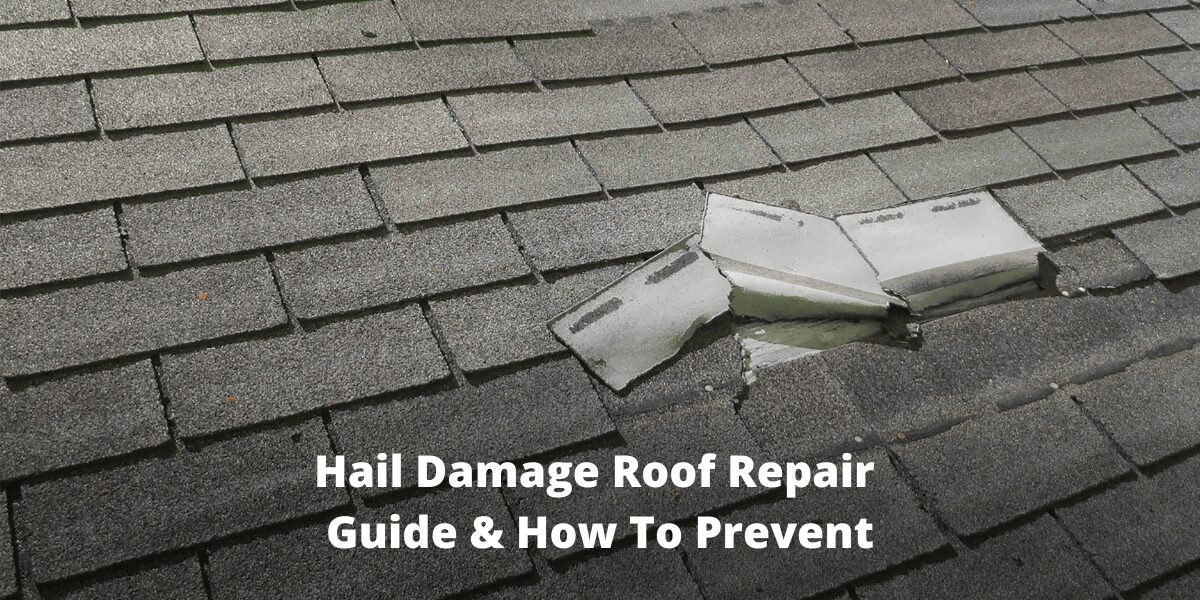
Hailstorms don’t always leave obvious signs behind—but that doesn’t mean your roof escaped unharmed. It’s easy to overlook subtle damage until it turns into a much bigger issue. From figuring out what to look for to making sense of insurance claims and prevention upgrades, we’ll walk you through the steps that actually matter after a storm. Key Notes Spot unique damage patterns on asphalt, tile, and metal roofs to assess severity accurately. Navigate insurance claims with proper documentation and professional support for maximum coverage. Make informed repair-versus-replacement decisions based on damage extent and roof condition. Implement specific preventative measures like impact-resistant shingles to minimize future damage costs. Hail Damage: Identification and Impact Hail damage varies significantly based on your roof type, the storm’s severity, and your home’s exposure. Each roofing material responds differently to hail impacts, creating distinct damage patterns that require specific repair approaches. Identifying Hail Damage on Various Roof Types Asphalt Shingles Random damage patterns without directional consistency Dark spots or “bruises” where granules have been displaced Exposed asphalt substrate that feels soft to the touch Tile Roofs Cracks radiating from impact points Broken corners or edges Spider-web cracking patterns Metal Roofs Cosmetic denting that varies with metal thickness Punctures in thinner gauge metals Damaged paint coating that may lead to corrosion Beyond the roof itself, check for collateral hail damage to gutters, roof vents, window sills, AC units, and siding materials adjacent to the roof. Navigating the Insurance Claim Process Successfully navigating the insurance claim process requires understanding your policy, proper documentation, and effective communication with adjusters. Documentation and Evidence Collection Create Comprehensive Documentation: Gather date and time of the hail event, weather reports, detailed photos, and videos of damage. Professional Assessment Techniques: Use contractors for chalk marking and systematic inspections to ensure thorough documentation. Dealing with Insurance Adjusters Building Productive Relationships: Schedule inspections with your contractor present and maintain professional communication. Common Claim Challenges: Be prepared to address disagreements about damage extent, repair vs. replacement recommendations, and coverage limitations. Choosing the Right Contractor: Avoiding Scams After hail storms, neighborhoods often see an influx of contractors. Vetting them effectively is crucial: Essential Qualification Checks: Verify business licenses, insurance coverage, certifications, and references. Warning Signs of Fraudulent Contractors: Be cautious of unsolicited contractors, pressure tactics, and those requesting full payment upfront. Local vs. Storm-Chasing Contractors: Local contractors offer continued accessibility and familiarity with regional building codes. Repair vs. Replacement: Making the Right Decision The extent of hail damage, roof age, and long-term value all factor into the repair versus replacement decision. Evaluating Damage Severity and Repair Options Consider the percentage of roof area damaged, existing roof age, manufacturer warranty status, and insurance coverage limitations. Partial repairs may be suitable for limited damage, while full replacement is often necessary for widespread issues. Storm Passed But Still Feeling Uncertain? A quick check now can save a costly fix later GET YOUR FREE QUOTE NOW How To Prevent Hail Damage (Or At Least Minimize It) You can’t stop a hailstorm—but you can give your roof a fighting chance. Most homeowners don’t think about prevention until after the fact, but a few proactive upgrades can seriously reduce your risk (and your repair bill). Upgrade to Impact-Resistant Shingles Not all shingles are created equal. Class 4 impact-rated shingles are designed to absorb hail strikes without cracking or losing granules. Install Protective Roof Coatings Some elastomeric coatings can add a bit of give to your roof surface, helping it absorb impact better—especially on metal or flat roofs. Reinforce Roof Structures If you’re already doing a re-roof, it’s worth checking that the decking and underlayment are up to current storm standards. A weak foundation = more damage. Trim Overhanging Trees Hail-damaged branches become shrapnel. Keep trees pruned back from your roofline to avoid secondary damage. Consider Hail Guards for HVAC & Skylights It’s not just your shingles that take a beating. Install protective cages or screens over rooftop units and fragile features. Schedule Regular Roof Inspections Catching minor vulnerabilities before a storm hits is one of the smartest ways to prevent serious damage later. Frequently Asked Questions How soon after a hailstorm should I have my roof inspected? Ideally within 48-72 hours after the storm to prevent secondary water damage. Will filing a hail damage claim increase my insurance premiums? Hail damage claims are typically “Act of God” claims and shouldn’t directly increase premiums. Check with your provider for specifics. How can I tell the difference between hail damage and normal wear and tear? Hail damage appears as random, concentrated circular dents, while normal wear shows consistent patterns. Is it possible to repair just sections of my roof with hail damage? This depends on the damage extent. Isolated damage can sometimes be repaired sectionally. Conclusion Hail might not tear your roof apart on day one, but it doesn’t need to in order to cause problems. Small dents, cracks, or lost granules can quietly open the door to leaks, mold, and long-term structural issues. Whether your roof is asphalt, tile, or metal, knowing what to look for—and what steps to take—can make all the difference. From proper documentation to smart upgrades and choosing the right contractor, staying proactive is the surest way to protect your home and your wallet. If you’re unsure what the storm left behind, reach out to schedule a free inspection and quote. No pressure—just expert support.
Roof Design Guide [2025]
![Modern house with a multi-gabled roof and skylight, featuring a covered balcony with glass railings, surrounded by a landscaped lawn and pathway. Text overlay reads “Roof Design Guide [2025]”.](https://goroofingusa.com/wp-content/uploads/2025/05/Go-Roofing-Blog-Cover-JA-min-2-min.jpg)
Roofs shape how your home looks, feels, and even performs. But with so many styles, materials, and design details to sort through, it’s easy to get overwhelmed or miss something that matters. Whether you’re planning a full replacement or starting fresh, we’ll break down the essentials of roof design so you can make smart choices that look good and last. Key Notes Choose roof structures based on your climate – certain designs offer better wind and weather resistance. Modern materials like composites and metal systems can provide 40-70 years of low-maintenance performance. Strategic skylight placement can reduce lighting costs by 25-40% while improving occupant wellbeing. Regular inspections and maintenance can prevent costly repairs and significantly extend roof lifespan. Roof Structural Types Gable Roof This triangular design remains America’s most popular choice, featuring two sloping sides that meet at a ridge. Gable roofs efficiently shed water and snow while providing ample attic space. They work well in moderate climates but may require additional bracing in high-wind regions. Hip Roof With slopes on all four sides that meet at the top, hip roofs offer superior stability in hurricane-prone areas. Their self-bracing design provides excellent wind resistance, though they typically cost more than gable alternatives. Shed Roof This single-slope design has gained popularity in contemporary architecture. Shed roofs allow for dramatic interior spaces, excellent drainage, and simplified construction. They’re particularly effective for rainwater collection systems. Flat Roof Despite the name, these roofs maintain a slight pitch for drainage. They maximize usable space for rooftop gardens or HVAC equipment and work best in areas with minimal precipitation. Modern waterproofing technologies have significantly improved their performance. Butterfly Roof This inverted V-shape creates a dramatic profile while channeling rainwater to the center for collection. Though visually striking, butterfly roofs require careful waterproofing at the central valley. Technical Aspects of Roof Truss Designs The internal framework supporting your roof determines its strength, span capabilities, and interior space configuration. Modern truss designs combine engineering principles with practical considerations: King Post Truss: This simple design uses a central vertical post with diagonal supports, ideal for spans under 20 feet. Its triangular structure efficiently distributes weight to the exterior walls. Queen Post Truss: By incorporating two vertical posts, this design accommodates wider spans up to 30 feet while creating usable attic space between the posts. Fink Truss: Commonly used in residential construction, the W-shaped web pattern of fink trusses provides exceptional strength while minimizing material usage. They handle spans up to 35 feet efficiently. Howe Truss: With vertical members in tension and diagonal members in compression, howe trusses excel in heavy load applications like commercial buildings. Fan Truss: These decorative trusses radiate from a central point, creating dramatic vaulted ceilings while maintaining structural integrity. Proper truss design must account for dead loads (the roof’s weight), live loads (snow, maintenance workers), and environmental factors like wind uplift. Innovative Roofing Materials and Their Properties Today’s roofing materials extend far beyond traditional options, offering unprecedented combinations of performance, aesthetics, and sustainability. Advanced Composites Engineered from recycled materials and polymers, modern composites mimic slate or wood while weighing less and lasting longer. Many come with 50+ year warranties and require minimal maintenance. Metal Systems Contemporary metal roofing has evolved beyond utilitarian corrugated panels. Standing seam designs offer clean lines and exceptional durability, while metal shingles provide traditional aesthetics with modern performance. Metal roofs typically last 40-70 years and reflect heat effectively. Polycarbonate Sheets These lightweight, impact-resistant panels transmit light while blocking UV radiation. They’re ideal for covered patios, sunrooms, or architectural features where light transmission is desired. Synthetic Slate and Shake These materials capture the beauty of natural materials without their weight, fragility, or maintenance requirements. Many incorporate recycled content and offer Class A fire ratings. Fire-Resistant and Weatherproof Roofing Solutions In regions facing increasing wildfire threats, roof assembly design becomes critical to home survival. Effective fire-resistant systems incorporate: Class A Materials: These highest-rated materials resist severe fire exposure. Options include concrete or clay tiles, composite shingles with specialized formulations, and metal roofing. Proper Underlayment: Fire-resistant underlayment provides a secondary defense if surface materials fail. Fiberglass-reinforced products offer superior protection. Ember-Resistant Vents: Special vents with fine mesh screens prevent windblown embers from entering attic spaces while maintaining necessary ventilation. Edge Detailing: Closed eaves and specialized edge treatments eliminate vulnerable gaps where embers might collect. Integrating Skylights & Natural Lighting Strategic roof design can harness natural light to transform interior spaces while reducing energy consumption. Properly integrated skylights offer multiple benefits: Energy Efficiency: Natural daylighting reduces artificial lighting needs during daylight hours, potentially cutting lighting energy usage by 25-40%. Psychological Benefits: Studies show exposure to natural light improves mood, productivity, and sleep patterns by supporting healthy circadian rhythms. Ventilation Options: Operable skylights provide passive cooling through the stack effect, drawing warm air upward and out. When incorporating skylights, placement matters significantly. North-facing skylights provide consistent, glare-free illumination ideal for work spaces, while south-facing installations maximize solar heat gain in colder climates. Size and spacing should be calculated based on the room’s dimensions and desired light levels. Acoustic Properties and Reflective Roof Designs Roof design significantly impacts a building’s acoustic environment, both internally and externally. Hard surfaces reflect sound, potentially creating echo chambers in large spaces with vaulted ceilings. Strategic design can manage these acoustic challenges: Material Selection Different roofing materials produce varying responses to rainfall noise. Metal roofing, while durable, can amplify rain sound unless installed over solid decking with proper insulation. Structural Considerations Exposed beam ceilings without acoustic treatment can create problematic sound reflection, while cathedral designs with acoustic panels maintain openness while controlling reverberation. Sustainable and Energy-Efficient Roof Systems Modern roof design increasingly prioritizes sustainability through materials, energy performance, and lifecycle considerations. Cool Roofing: High-reflectivity surfaces reduce heat absorption, decreasing cooling demands by 10-30% in hot climates. These systems reflect solar radiation rather than transferring it to the building below. Integrated Energy Systems: Beyond traditional solar panels, building-integrated photovoltaics (BIPV) incorporate energy generation directly into roofing materials. Solar shingles now offer aesthetic
What Is The Best Time Of Year To Replace Roof? Expert Insights
Thinking of replacing your roof? Timing’s everything. Rush it, and you could overpay or settle for whoever’s available. Wait too long, and you might be dealing with leaks during a storm. There’s a sweet spot—where weather, cost, and contractor availability actually line up. Fall’s the fan favorite, but every season has pros and cons. We’ll break down when to replace your roof—without the guesswork. Key Notes Fall offers ideal temperatures and contractor availability for nearly all roof types. Winter installations often come with cost savings but material limitations. Material choice determines which seasons are viable for your specific replacement. Timing Matters: When Should You Replace Your Roof? Replacing a roof isn’t something you do on a whim. It’s a major project that calls for the right timing, the right weather, and the right contractor availability. Get it wrong, and you could end up with delays, higher costs, or poor installation. Get it right, and you’ll have a long-lasting, weatherproof roof that protects your home for decades. So, what is the best time of year to replace roof shingles or metal panels? Here’s our expert take, season by season: Spring: A Solid Choice, But Unpredictable Spring offers mild temperatures that help asphalt shingles seal properly. It’s also a good time to fix winter damage before the summer heat kicks in. Pros: Mild temperatures make installation easier Ideal conditions for asphalt and clay tiles Cons: Frequent rain can cause delays High demand as homeowners rush to book contractors Summer: Hot, Busy & Expensive Summer is the peak roofing season. While longer daylight hours allow for faster work, extreme heat makes conditions tough for both workers and materials. Pros: No rain delays, predictable weather Longer workdays mean faster completion Cons: High temperatures can soften shingles, affecting installation Contractor availability is tight, and prices are higher Fall: The Goldilocks Season Fall is often considered the best time to get a new roof. Temperatures are stable, and contractors are still available before winter rushes in. Replacing a roof in fall ensures the best installation conditions. Contractors aren’t fighting extreme heat or cold, and shingles adhere properly before winter hits. Pros: Ideal temperatures for all roofing materials Contractors are still available if booked early No summer heat or winter storms to worry about Cons: High demand—schedule early or miss out Winter: Risky, But Possible Winter roofing comes with challenges, but it’s not impossible. Metal roofs, in particular, can be installed year-round, and off-season discounts are common. Pros: Lower prices and better contractor availability Good for metal roofing and emergency repairs Cons: Cold weather can make asphalt shingles brittle Shorter daylight hours slow down work What Affects the Best Time of Year to Replace a Roof? Timing isn’t just about convenience. The season you choose impacts everything from installation quality to how much you pay. Here’s what you need to consider: Weather Conditions: Roofing materials need the right temperature to seal properly. Too hot or too cold, you risk damage or poor adhesion. Contractor Availability: Roofing season peaks when demand is highest. Book too late, and you’ll struggle to get an appointment. Budget: Off-season discounts are real. The slow season for roofing means better pricing if you plan ahead. Roof Condition: If your roof is leaking or failing, waiting isn’t an option. Urgency trumps ideal conditions. How Roof Type Affects the Best Time for Replacement Not all roofs react the same way to different weather conditions. The best season depends on the material you’re working with: Asphalt Shingles: These need moderate temperatures (40°F-85°F) to seal properly. Spring and fall are ideal. Metal Roofing: Can be installed in any season but may expand or contract in extreme temperatures. Clay & Concrete Tiles: These need precise handling and should be installed in mild weather to avoid breakage. Regional Climate and Roof Replacement Timing Where you live plays a huge role in when to replace your roof. A one-size-fits-all approach doesn’t work when climate varies so much across the US. Northern States: Harsh winters mean spring or summer is best. Southern States: Avoid peak summer heat—spring and fall work best. Coastal Areas: Plan around storm season—late spring or early fall is ideal. Midwest: Tornado season can disrupt projects. Aim for early spring or late fall. Frequently Asked Questions When does roofing season start? In most parts of the US, roofing season starts in late spring when temperatures consistently stay above 40°F. This is when contractors get busy. What time of year is the cheapest to replace a roof? Winter is typically the slow season for roofing, meaning you might get a discount if you can find a contractor willing to work in colder conditions. Should I stay home during my roof replacement? Staying home depends on your tolerance for noise. Roof replacement is loud and disruptive, but you don’t have to leave unless access to your home is restricted. Conclusion No matter the season, the “right” time to replace your roof is really about balance—between weather, budget, contractor availability, and what your roof actually needs. Fall may be the favorite for a reason, but spring’s a strong contender, and even winter can work under the right conditions (especially with metal roofs). What most people don’t realize is that flexibility can save you money—if your roof’s not urgent, timing your project just right can get you better deals and a smoother experience. If you’re wondering when your roof should be replaced—or if it even needs to be yet—reach out for a free quote. Whether it’s a quick repair or full replacement, we’ll help you weigh your options.
Metal Roof vs Tile Roof | Which Is Better?
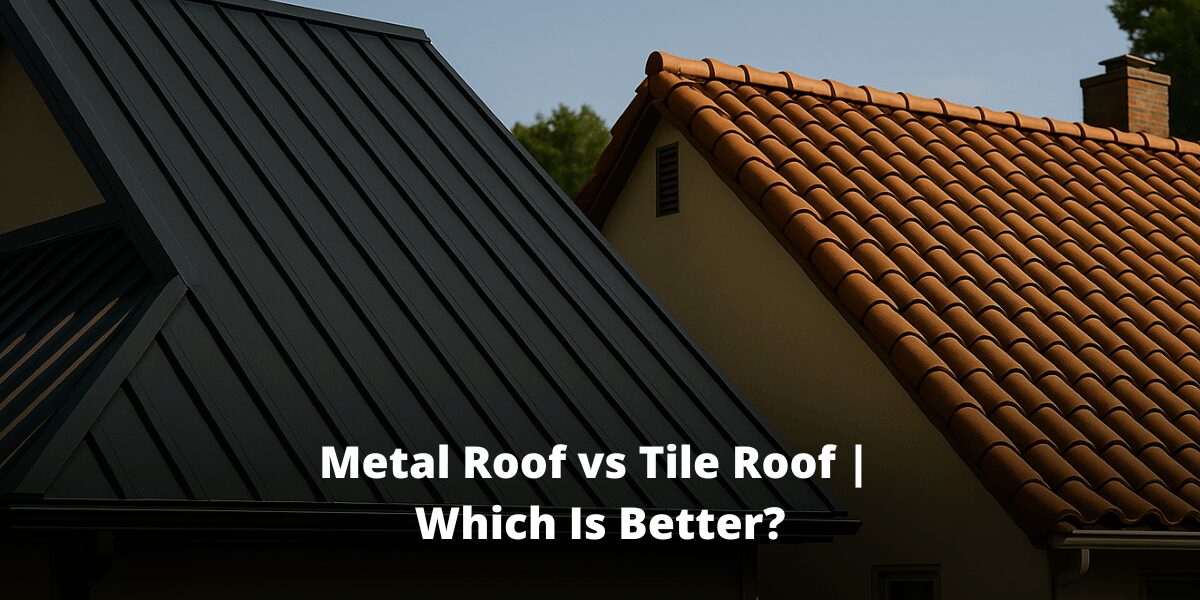
Stuck choosing between a metal roof or tile roof? Both are tough, long-lasting, and look great—but they come with very different pros, cons, and price tags. Whether you’re after sleek and modern or timeless and traditional, we’ll break down what really matters: cost, durability, and style. Let’s help you pick the roof that actually fits your home. Key Notes Metal roofs offer better value with 40-70 year lifespans and prices from $5-12/sq.ft. Tile roofs excel in aesthetics and longevity, lasting 50-100+ years despite higher costs. Climate considerations: metal for storm-prone areas, tile for hot regions with thermal benefits. Overview: Metal Roof vs Tile Roof Feature Metal Roof Tile Roof Lifespan ✔️ ✔️ Durability ✔️ ✔️ Maintenance ✔️ ✔️ Weight ✔️ ❌ Energy Efficiency ✔️ ✔️ Installation Cost ✔️ ❌ Noise Resistance ❌ ✔️ Impact Resistance ❌ ❌ Metal Roof Overview Metal roofs are built to last. Whether steel, aluminum, or copper, these roofs handle extreme weather like champs. They’re lightweight, energy-efficient, and come in various styles, including the sleek terracotta metal roof that mimics traditional clay tiles. Each metal roofing material comes with its own strengths. Steel is the most common and comes in galvanized or galvalume options, offering strong resistance to rust and corrosion. Aluminum is lightweight and naturally resistant to rust, making it a top choice for coastal homes. Copper and zinc are premium options that develop a unique patina over time, adding a distinctive aesthetic appeal while maintaining durability. Core Features Durability: Metal roofs withstand extreme weather, from high winds to heavy snow loads, ensuring long-term protection for your home. Lifespan: Metal roofs can last 40 to 70 years, significantly outlasting asphalt shingles and needing fewer replacements. Weight: Metal is one of the lightest roofing materials available, reducing the strain on your home’s structure and making installation easier. Energy Efficiency: The reflective properties of metal help deflect solar heat, keeping indoor temperatures lower. Advantages of Metal Roofs Low maintenance Fire-resistant and weatherproof Environmentally friendly and recyclable Disadvantages of Metal Roofs Higher upfront cost Noisy in heavy rain without proper insulation May dent from large hail or falling branches Pricing Metal roof installation costs between $5–$12 per square foot, depending on the material and complexity. Material Material Cost per Square Foot Steel $5 – $10 Aluminum $6 – $12 Copper $15 – $30 Zinc $10 – $20 Tile Roof Overview Tile roofs bring character and longevity. Popular in warmer climates, they handle heat like a pro. You’ll often see Spanish tile roofs lasting 50–100 years, sometimes longer. They’re heavy, but that weight adds durability and a premium look. There are different types of tile roofing materials, each suited to specific needs: Clay tiles are traditional and offer excellent thermal performance, keeping homes cool in hot climates. Concrete tiles provide a more affordable alternative while still delivering durability and fire resistance. Slate tiles are the premium choice, known for their elegance and extreme longevity, often lasting well over a century. Core Features Durability: Tile roofs are resistant to fire, insects, and rot, making them an excellent long-term investment with minimal maintenance. Lifespan: With proper installation and care, tile roofs can last between 50 to 100 years. Weight: Due to their heavy nature, tile roofs need strong structural support, but on the plus side, you get great durability. Energy Efficiency: The natural thermal mass of tile helps regulate indoor temperatures by slowing heat transfer, keeping homes cooler in hot weather. Advantages of Tile Roofs Aesthetic appeal, especially for Mediterranean and Spanish-styled homes. Long lifespan with minimal upkeep. Resistant to fire, rot, and pests. Energy Efficiency: The natural thermal mass of tile helps regulate indoor temperatures by slowing heat transfer, keeping homes cooler in hot weather. Disadvantages of Tile Roofs Expensive to install Heavy, so need structural support Can crack under heavy impact Pricing Expect to pay $7–$20 per square foot, depending on the type of tile. Material Material Cost per Square Foot Clay $10 – $20 Concrete $7 – $15 Slate $15 – $30 Which Roof Is Better for Your Home? Choosing between a metal roof and a tile roof depends on multiple factors, including climate, budget, and long-term durability. Here’s how to decide: Live in a Storm-Prone Area? Metal roofs are more resistant to wind and rain compared to tile, making them ideal for regions with hurricanes and heavy storms. Want the Longest Lifespan? Tile roofs have a proven track record of lasting over a century, whereas metal roofs, while long-lasting, typically cap at 70 years. Need an Energy-Efficient Roof? Metal roofs reflect sunlight, reducing cooling costs, while tile roofs absorb heat and gradually release it, making them better suited for hot climates. Considering Resale Value? Both roofing options enhance property value, but tile roofs offer a high-end appearance that can attract buyers looking for timeless architectural charm. Still Torn Between Tile And Metal? Get expert advice—and pricing that matches your home & climate Get Free Quote Now Frequently Asked Questions Are metal roofs cheaper than tile? Yes, metal roofs generally have a lower upfront cost, ranging from $5–$12 per square foot, compared to tile roofs at $7–$20 per square foot. However, the total cost depends on factors like installation complexity and structural reinforcement. What are the disadvantages of a metal roof? Metal roofs are durable, but they can be noisy during heavy rain, dent from hail, and have a higher initial cost than asphalt shingles. Some homeowners also find them less aesthetically pleasing than traditional tile. How long do Spanish tile roofs last? Spanish tile roofs typically last 50–100 years, with some lasting even longer with proper care. Their longevity makes them a top choice for homeowners who want a long-term roofing solution. Conclusion In the end, it’s less about which roof is “better” and more about what fits your home’s needs. Metal roofs bring flexibility, lighter weight, and solid weather resistance—great for stormy regions or modern builds. Tile roofs, on the other hand, offer classic curb appeal and unmatched longevity, especially in hotter climates. What’s often
Metal Roof vs Asphalt Roof | Complete Comparison
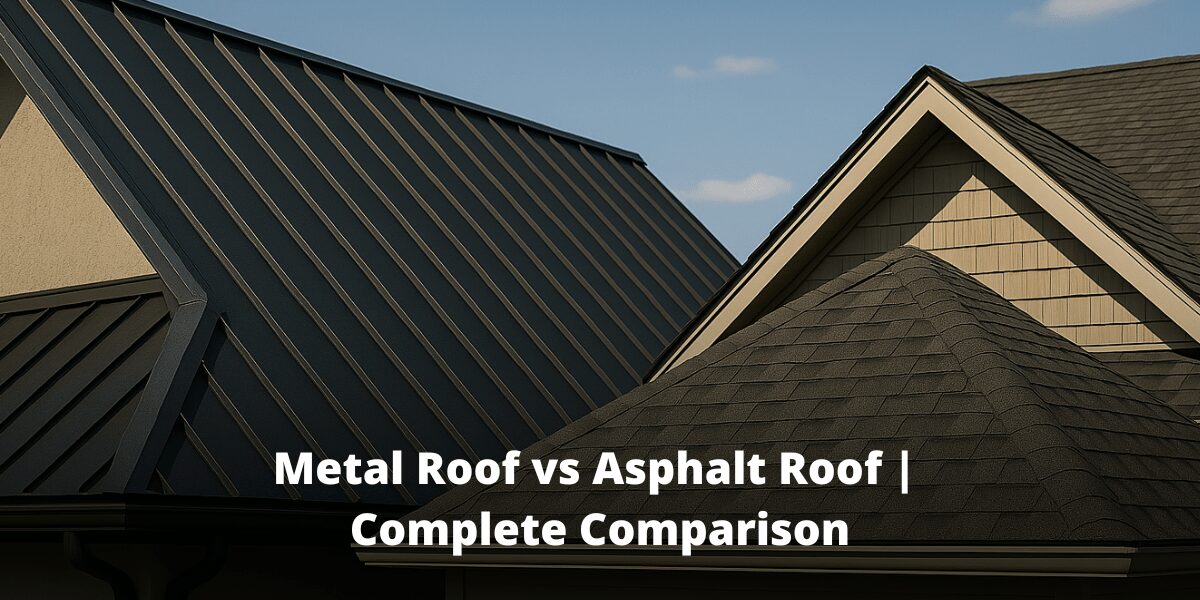
One lasts decades without flinching through storms. The other blends in quietly, doing its job until it doesn’t. Metal and asphalt roofs don’t just sit there—they shape how your home holds up, how it looks, and what you pay down the line. If your roof’s up for replacement, this side-by-side breakdown gets you past the guesswork and into what really separates metal from asphalt. Key Notes Metal roofs last 40-70 years while asphalt lasts 15-30 years. Metal reflects heat, cutting cooling costs by up to 25%. Asphalt offers lower upfront costs with easier installation and repairs. Metal withstands winds up to 140mph compared to asphalt’s 80mph limit. Metal Roof Overview Metal roofs have come a long way from the corrugated tin sheets of the past. Today, they come in steel, aluminum, copper, and zinc and you’ll find them on modern farmhouses, mountain cabins, and sleek contemporary homes alike. Their durability is unmatched. A well-installed metal roof can last anywhere from 40 to 70 years, outliving asphalt by decades. They reflect heat, keeping homes cooler in hot climates, and they stand strong against wind, fire, and even hail. But no material is perfect. Metal roofs cost more upfront, and installation calls for specialized skills. Noise in heavy rain? That’s another factor, though proper insulation minimizes the effect. Some metals dent under impact, and in rare cases, expansion and contraction can cause fasteners to loosen. Still, for those thinking long-term, metal is a serious contender. Core Features Durability – Resistant to fire, wind, and extreme weather. Lasts up to 70 years. Energy Efficiency – Reflects solar heat, cutting cooling costs by up to 25%. Sustainability – Often made from recycled materials and fully recyclable. Weight – Lighter than asphalt, reducing structural strain. Low Maintenance – Needs fewer repairs over time. Pros: Long lifespan High energy efficiency Recyclable materials Cons: Higher upfront cost Potential for denting Needs specialized installation Cost Considerations Metal roofs cost more than asphalt upfront, but fewer replacements make them cost-effective long term. Here’s a breakdown: Metal Type Material per Sq. Ft. Installation per Sq. Ft. Lifespan Steel $5 – $12 $3 – $6 40-60 years Aluminum $6 – $14 $3 – $7 50-70 years Copper $15 – $25 $4 – $10 70+ years Zinc $10 – $20 $5 – $10 60+ years Asphalt Shingles Overview Asphalt shingles are everywhere – and for good reason. They’re affordable, easy to install, and come in countless colors and styles. You’ll see them on suburban homes, historic properties, and new builds across the country. Most asphalt roofs last between 15 and 30 years. Some premium options push past 40 years, but even the best shingles break down faster than metal. They absorb heat, which isn’t ideal for hot climates, and they need periodic maintenance to replace damaged or missing shingles. Despite these drawbacks, asphalt remains the go-to choice for homeowners prioritizing budget and ease of installation. Core Features Affordability – Lower upfront costs than metal. Versatility – Wide variety of styles and colors. Ease of Installation – Quick and simple, reducing labor costs. Repairability – Individual shingles can be replaced. Pros: Lower initial cost Easier to install Readily available materials Cons: Shorter lifespan (15–30 years) More maintenance More prone to weather damage Cost Considerations Asphalt roofs are more budget-friendly but need periodic replacement. Here’s the cost breakdown: Shingle Type Material per Sq. Ft. Installation per Sq. Ft. Lifespan Three-Tab $3 – $5 $2 – $4 15-20 years Architectural $4 – $7 $3 – $6 20-30 years Luxury $6 – $10 $4 – $8 30-40 years Performance Comparison Let’s pit these two options against each other in terms of efficiency, ease fo care and weather. Weather Resistance Metal roofing outperforms asphalt in extreme weather. It resists wind speeds over 140 mph, while asphalt shingles tend to max out at 80 mph. Hail is a different story—some metal roofs dent, while asphalt can lose granules, reducing its lifespan. Energy Efficiency A metal roof reflects heat, keeping your home cooler and reducing cooling costs by up to 25%. Asphalt absorbs heat, making air conditioners work harder in hot weather. Maintenance and Repairs Metal roofs require little maintenance, but repairs can be tricky. Asphalt shingles are easier to fix, but they need frequent inspections and replacement over time. Which Roof Fits Your Home? Choosing between metal and asphalt roofing depends on various factors, including climate, budget, and personal preference. If you live in an area with high temperatures, a metal roof might be the better choice for energy efficiency. If affordability is a primary concern, asphalt shingles could be the way to go. For low maintenance, metal is the better option, as asphalt needs periodic shingle replacements. Consider the style of your home. Asphalt shingles provide a more traditional look, while metal offers a modern aesthetic. Consider the long-term costs and benefits before making a final decision. Unsure Which Roof Actually Makes Sense For You? We’ll break it down, price it out, and get it done—no pressure Get Free Quote Now Frequently Asked Questions What are the disadvantages of a metal roof? The main disadvantages of metal roofs are the higher initial cost and the need for professional installation. They can also be noisy during heavy rain if not properly insulated. What is the biggest problem with metal roofs? The biggest concern for most people with metal roofs is denting from hail or falling debris, particularly with softer metals like aluminum. What happens if lightning strikes a metal roof? A metal roof doesn’t increase the likelihood of a lightning strike. If struck, the metal disperses the energy safely without catching fire. Conclusion Metal roofs bring muscle and staying power, standing tall through storms and time. Asphalt shingles lean into flexibility, quick fixes, and a friendlier upfront bill. The real difference comes down to how long you plan to stay, how much maintenance you’re willing to juggle, and what matters more—long-term value or short-term savings. Curious what fits your home best? Get a free quote today for
When To Replace Roof? 7 Signs
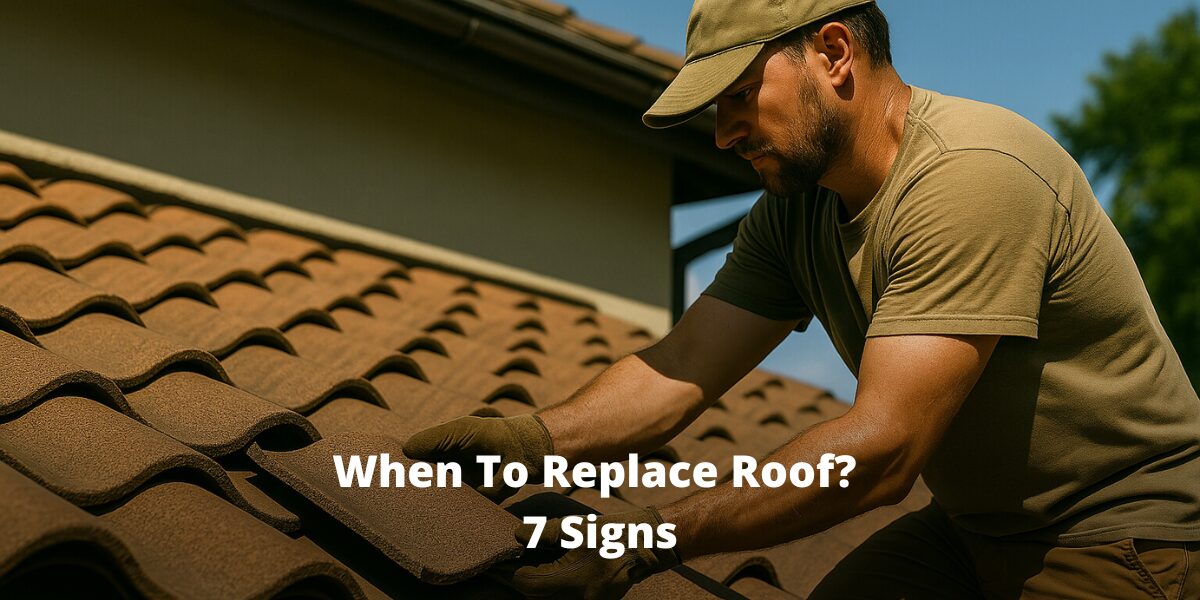
You don’t have to be a roofing expert to know when something’s off up top—but you do need to pay attention. A few missing shingles might not seem like a big deal… until water’s dripping onto your couch. Roofs don’t last forever, and waiting too long can cost you. These 7 signs are your early warning system before things go sideways. Key Notes Most asphalt roofs last 20-25 years; metal and tile can exceed 50 years with maintenance. Curling shingles and granules in gutters indicate your roof is degrading quickly. Repair isolated damage; replace if repairs would cost over 50% of a new roof. 1. Roof Age If your roof is pushing 20-30 years, it’s safe to say it’s living on borrowed time. The average asphalt shingle roof lasts about 25 years with proper maintenance. Metal, slate, and tile roofs hold up longer but are not invincible. Metal roofs can last 40-70 years, while tile roofs often exceed 50 years if properly maintained. Check your home records. If your roof is hitting retirement age, get it inspected by a professional company, as waiting too long means bigger problems down the road. 2. Curling or Buckling Shingles Your roof shingles should lie flat. If they’re curling at the edges or buckling in the middle, they’re telling you they’re past their prime. Heat, moisture, and age cause this problem, and once shingles lose their shape, they lose their ability to protect your home. 3. Missing or Damaged Shingles Shingles are like armor for your roof. If pieces are missing, water, wind, and pests have an open invitation inside. One or two missing shingles might not seem like a big deal, but once gaps form, damage spreads fast. Look for broken, cracked, or completely gone shingles. If you see multiple problem areas, it’s time to think about a replacement. 4. Granules Accumulating in Gutters Asphalt shingles have a rough, grainy texture. Those tiny granules protect your roof from UV rays and harsh weather. But when they start shedding into your gutters, it’s a sign your shingles are breaking down. Check your gutters after a heavy storm – if you see a pile of granules, your roof is wearing out. 5. Sagging Roof Deck A sagging roof is serious business. It usually means trapped moisture and rotting boards underneath. Step back and look at your roofline – if you notice dips or uneven areas, don’t wait. This isn’t a repair job. A sagging roof means structural damage, and you need a professional to assess it ASAP. 6. Moss and Algae Growth A little green on your roof might look harmless, but moss and algae trap moisture. Over time, that moisture eats away at shingles, causing them to weaken and deteriorate. If you spot excessive growth, especially in shaded areas, clean it off and check for underlying damage. 7. Visible Light Through Roof Boards Take a trip to your attic. If you see daylight peeking through the roof boards, you’ve got gaps. And where light gets in, so does water. Small holes might be fixable, but widespread light leaks mean it’s time for a new roof. Roof Repair vs. Replacement: How To Decide? Not every issue means you need a full roof replacement. Here’s a quick way to decide: Go for Repairs If: The damage is minor and isolated, like a few missing shingles or a small leak. Opt for Replacement If: The damage is widespread, shingles are nearing the end of their lifespan, or repairs would cost almost as much as a new roof. If the cost of repairs is more than 50% of the cost of a new roof, replacement is usually the smarter choice. A professional inspection helps if you’re unsure. Roofing experts can assess whether a repair will hold or if it’s time to replace everything. Seeing Signs Your Roof Might Be Failing? Leaks, sagging & missing shingles don’t fix themselves GET FREE QUOTE NOW How To Extend Your Roof’s Lifespan? Clean Your Gutters: Clogged gutters cause water to back up, leading to leaks and rot. Trim Overhanging Branches: Falling branches and constant shade encourage moss growth. Inspect After Storms: Catching small issues early prevents major damage. Fix Small Problems Fast: A missing shingle today is a leak tomorrow. Act quickly. Frequently Asked Questions How often should a house have a new roof? It depends on the material. Asphalt shingles last 20-30 years, while metal, slate, and tile roofs can last 40-100 years. If your roof is older than its expected lifespan, start planning for a replacement. Should I replace my roof if it’s not leaking? Yes, if it’s showing multiple warning signs. Waiting for leaks means waiting for water damage, mold, and bigger repair costs. A proactive replacement saves money in the long run. What time of year is best to replace a roof? Fall is an ideal time of year to replace your roof. It’s cooler than summer, and you avoid the unpredictable weather of spring and winter. Roofers are busiest in late summer and early fall, so schedule early. Conclusion Roofs don’t just fail overnight—they give you signs. Curled shingles, sagging spots, granules in the gutter… they all point to one thing: it’s time to act. What many people miss is that waiting for a leak isn’t being cautious—it’s being late. A worn-out roof isn’t just a risk to your ceiling; it’s a risk to your foundation, your wiring, even your insurance coverage. Whether you need a quick repair or a full replacement, we’re here to take a look and walk you through the best next step. Reach out today for a free quote—no pressure, no obligations.
Gutter Guard Options: Types, Costs & Effectiveness
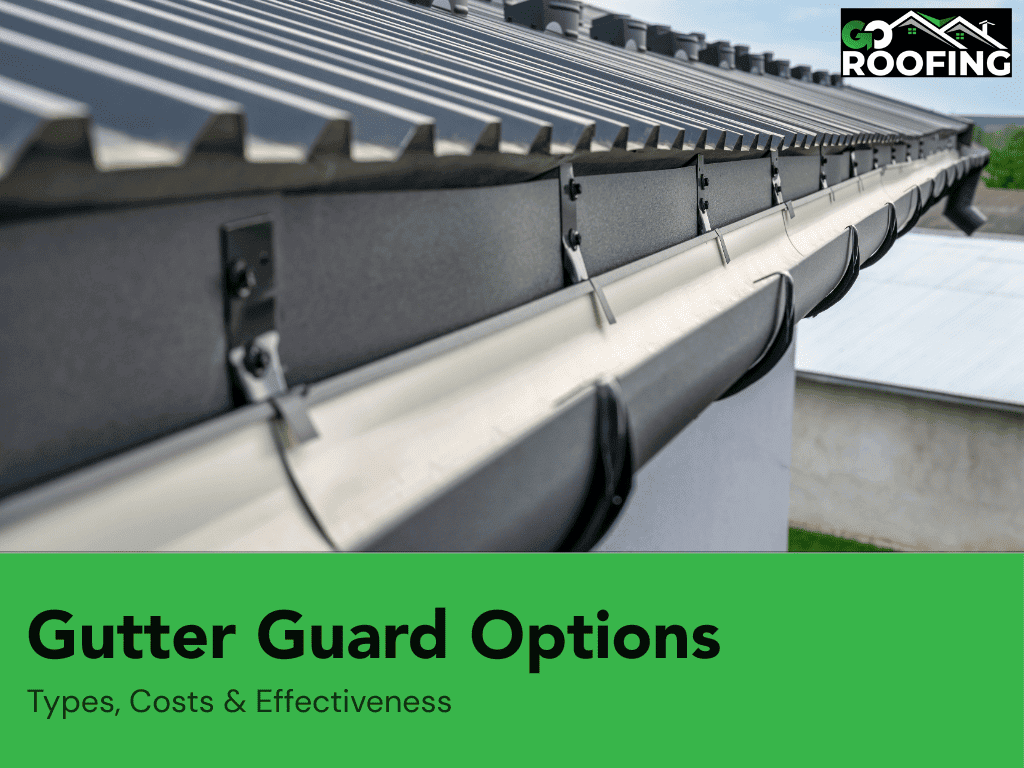
Clogged gutters are a headache, and cleaning them is even worse. That’s where gutter guards come in—but not all are created equal. Some work like a charm, while others barely make a difference. We’ve seen what holds up and what falls apart, so here’s a breakdown of the best options, their costs, and whether they’re worth it. Key Notes Micro-mesh guards block most debris but cost more than basic screens. All gutter guards need some kind of maintenance, but amounts vary significantly. If you’re looking for longevity metal guards outlast plastic in extreme weather conditions. What Are Gutter Guards? Gutter guards sit on top of or inside your gutters, acting as a barrier against debris while letting rainwater flow through. They’re designed to reduce clogs, extend the life of your gutter system, and cut down on maintenance. But not all gutter guards work the same way, and some might not be the best fit for your home. 1. Screen Gutter Guards These are metal or plastic sheets with holes, designed to block larger debris while allowing water through. They’re one of the most affordable options, generally costing between $3 to $6 per linear foot. While they are easy to install, they’re not perfect. Small debris can still slip through, and screens need occasional cleaning. Pros: Budget-friendly Simple installation Cons: Needs maintenance Can warp or clog over time 2. Micro-Mesh Gutter Guards Micro-mesh guards use ultra-fine screens to block even tiny debris. They’re highly effective but more expensive, running about $9 per linear foot. Installation is best left to professionals, and they need occasional rinsing to stay clear. Pros: Blocks almost all debris Low maintenance Cons: Higher cost Professional installation recommended 3. Reverse Curve Gutter Guards Designed to use surface tension, these guards let water curve into the gutter while leaves slide off. They cost between $3.50 and $6.50 per foot and work well in heavy rain, but installation is complex, and they’re visible from the ground. Pros: Works well in high rainfall Keeps out most debris Cons: Expensive installation Can be an eyesore 4. Brush Gutter Guards Think of a giant bottle brush sitting inside your gutter. Water flows through while leaves get stuck on top. This gutter guard option is cheap at around $3–$4.50 per foot and easy to install, but they tend to trap debris, meaning more cleaning. Pros: Inexpensive DIY-friendly Cons: Regular maintenance Not ideal for heavy rain areas 5. Foam Gutter Guards Foam inserts sit inside the gutter, allowing water to pass while blocking leaves. They’re affordable usually costing $2–$3.50 per foot, but they break down over time and can trap moisture, leading to mold and mildew. Pros: Low cost Simple installation Cons: Short lifespan Prone to clogging and mold Pro Tip: Want extra protection? Install a drip edge along your roofline to keep rainwater from running behind your gutters. It’s a small upgrade that prevents costly water damage. Gutter Screens vs. Gutter Guards While people tend to use the terms interchangeably, there’s a difference: Which one’s better? Micro-mesh guards outperform standard screens in most cases, but screens can work well if you’re on a budget and don’t mind occasional cleaning. Pros and Cons of Gutter Guards If you are going to be installing gutter guards, here are the advantages and disadvantages they bring to the table: Pros: Less Gutter Cleaning: Reduces the need to clear out gutters manually. Prevents Water Damage: Stops clogs that lead to overflows and leaks. Extends Gutter Lifespan: Prevents rust and sagging caused by standing water. Pest Deterrence: Blocks rodents and insects from nesting in gutters. Cons: Upfront Cost: Quality guards aren’t cheap. Maintenance Isn’t Zero: Some guards still need occasional cleaning. Installation Costs: Some types call for professional fitting. Water Damage Starts At The Roof If problems are showing, a roof repair can save you thousands GET FREE QUOTE NOW Frequently Asked Questions What are the best mesh gutter guards and do they work? Yes. Mesh guards, particularly micro-mesh, are some of the best at keeping debris out. They’re durable, need minimal upkeep, and last for years. If you’re looking for the best long-term solution, these are a solid choice. Do I need gutter guards? If you live in an area with lots of trees, heavy rain, or deal with constant gutter clogs, then yes you need gutter guards. If you don’t mind cleaning your gutters multiple times a year, you might skip them. But for most homeowners, the investment saves time and hassle in the long run. Metal gutter guards vs plastic: which lasts longer? When it comes to longevity, metal wins. Stainless steel and aluminum guards hold up better against weather, pests, and general wear. Plastic versions are cheaper but break down faster, especially in extreme temperatures. Conclusion Gutter guards can help keep debris out, but they’re not a set-it-and-forget-it solution. No matter which type you choose, occasional maintenance is still part of the deal. Micro-mesh guards offer the most protection, while budget-friendly screens work if you don’t mind some upkeep. The bigger concern: What happens if water starts backing up. Clogged gutters don’t just overflow—they can send water straight under your roof, leading to leaks, rot, and costly damage. If your roof is showing signs of wear, waiting too long can turn a minor fix into a major expense. Get a free quote today.
Should I Repair Or Replace My Roof? Expert Guide
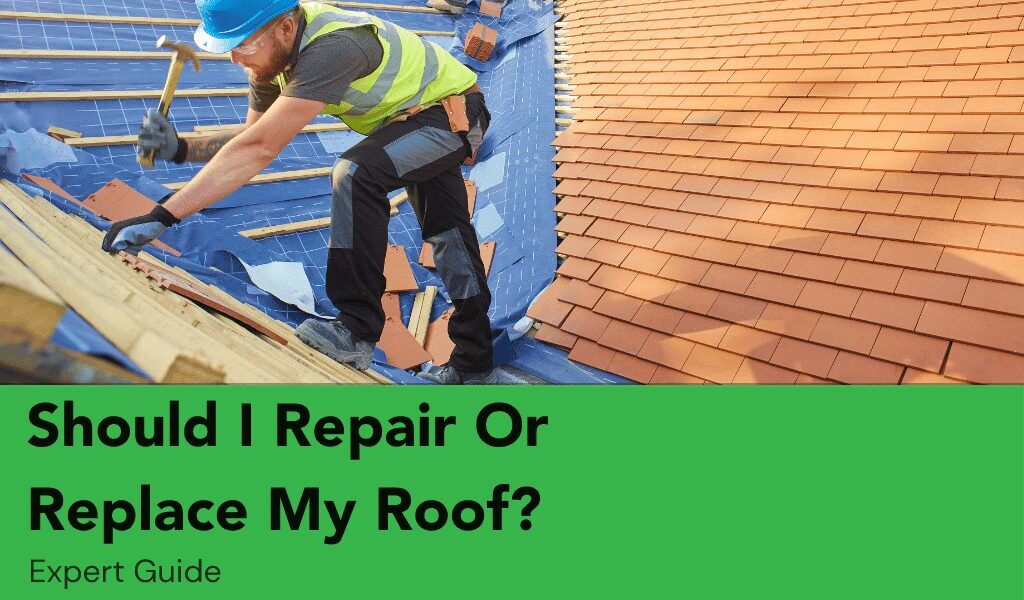
At some point, every homeowner faces this dilemma—fix the roof or go all-in on a new one? A few missing shingles might be an easy patch job, but sagging, leaks, or creeping costs could mean it’s time to replace. The right decision depends on your roof’s age, damage, and long-term value. We’ll break it down so you can make the smartest call for your home. Key Notes Generally, it’s better to replace if repair costs exceed 50% of a new roof installation. New roofs improve energy efficiency and boost home resale value. Professional inspections catch hidden damage before it becomes catastrophic. Quick Overview: Repair or Replace Signs Your Roof Needs Replacement Signs Your Roof Needs Repair Shingles are curling, missing, or bald A few shingles are cracked or loose Roof is over 20 years old Minor leaks appear but are localized Significant sagging or structural damage Flashing or sealant needs updating Widespread moss or rot Small areas of damage from debris High energy bills due to poor insulation No major structural issues present Is It Time to Repair or Replace Your Roof? Your roof takes a beating every single day: enduring rain, wind, sun, and storms. Over time, it wears down, and when issues start showing up, you face a big question—do you repair or replace your roof? The answer to this question hinges on your roof’s age, damage level, material, and long-term costs. Consider this: 1. Assessing the Age of Your Roof The age of your roof is one of the biggest factors in deciding whether to fix or replace it. Different materials have different lifespans, and an older roof might be past the point of simple repairs. Asphalt Roofs Expect an asphalt roof to last about 15 to 20 years. If yours is over 15 years old, it’s likely nearing replacement territory. Shingle damage and leaks may keep coming back, costing more in the long run. Tile Roofs Tile roofs often last 50+ years if they have been properly maintained. Repairs are often a solid option unless the underlayment or structure is compromised. Metal Roofs A lifespan of 40 to 70 years makes metal roofing a long-term investment. Minor repairs work well, but if panels corrode or seams fail, a replacement might be necessary. Tip: Not sure how old your roof is? Check home improvement records or look under shingles for manufacturer date stamps. 2. Signs a Roof Needs to Be Replaced Some roofing problems can be fixed, but others mean it’s time for a full replacement. Here’s what to watch for: 3. Evaluating the Damage Can you repair your roof instead of replacing it? Not every issue means a full replacement. Some damage is minor and easily fixed.Asphalt Roofs If it’s a small area, like a few roof shingles repairs instead of replacement should work fine. But if granules are missing and curling is widespread, replacement makes more sense. Tile Roofs Individual tiles can be swapped out. But if there’s underlayment failure, repairs might not be enough. Metal Roofs If you’re dealing with small dents or scratches then a repair job should do the trick. However, if you’re facing rusted-out sections or seam separation then replacement is a better option. Roof Repair vs Replacement: Cost Breakdown While repairs seem cheaper at first, if you’re constantly fixing the same issues, a replacement is a smarter financial move. As a rule of thumb, if repair costs exceed 50% of the replacement cost, it’s usually better to replace. Roof Type Repair Costs Longevity After Repair Replacement Costs Longevity After Replacement Asphalt $150 – $1,500 5-10 years $5,000 – $12,000 15-20 years Tile $200 – $3,000 10-20 years $10,000 – $25,000 50+ years Metal $300 – $2,500 15-30 years $8,000 – $30,000 40-70 years Energy Efficiency & Home Value Your roof does more than keep out the rain. It impacts insulation, cooling, and home resale value. Here are the different roof types and the impact they have on your home’s value and energy efficiency: Asphalt Roofs Asphalt roofs are less energy-efficient, but new reflective shingles help. In addition, a fresh asphalt roof boosts curb appeal and attracts buyers. Tile Roofs Roof tiles are naturally insulative, which helps to keep your home cooler in summer and warmer in winter. Their longevity adds to their efficiency and investment appeal. Metal Roofs This material tops the efficiency list, especially in warmer climates as it reflects heat to reduce cooling costs. This could also potentially add to your home’s resale value. Roof Repairs Adding Up Fast? We’ll evaluate age, damage & cost to recommend the best option GET FREE ASSESSMENT NOW Frequently Asked Questions Can you repair a roof without replacing it? Yes, you can repair a roof without replacing it provided the structure is solid and the damage is localized. If problems keep coming back, replacement is the better option. Is it worth it to repair a roof? Whether a roof repair is worthwhile or not depends on the age and extent of the damage. Small issues? Repair makes sense. If you’re constantly fixing leaks, a new roof is the smarter investment. How do you determine if you need a new roof? You’ll probably need a new roof if you have widespread shingle wear, sagging, multiple leaks, or high energy bills. A professional inspection can confirm if it’s time to replace it. Can you replace just part of a roof? Yes, you can replace part of a roof in certain cases. If one section is damaged, replacing that part might work. But if your roof is old, mixing new and old materials affects durability and aesthetics. A patched-up roof can also hurt resale value. Conclusion Your roof is one of the most important parts of your home, and deciding whether to repair or replace it isn’t always simple. Age, damage, and long-term costs all play a role, and while small fixes can keep you going, major issues may signal it’s time for a full replacement. If repairs keep piling up or your energy
Metal Roof Repair Cost (2025)
Metal roofs are tough, but they’re not invincible. Over time, screws loosen, seams start leaking, and rust creeps in. When that happens, repairs aren’t just an option—they’re a necessity. The big question? How much is it going to cost. The short answer: It depends. Small fixes might be a few hundred bucks, while major repairs or restoration can run into the thousands. We’ll break it all down so you know exactly what to budget for. Key Notes Metal roof repairs have an average range of $635-$3,197, depending on damage type. Recoating costs $1,500-$4,500 but extends roof life by 10-15 years. Minor DIY repairs save money but risk voiding warranties and improper installation. Investing in a new roof makes financial sense when repair costs exceed 50% of replacement. Average Metal Roof Repair Cost Expect to pay between $635 and $3,197 for metal roof repairs, with most homeowners spending around $1,906. Costs depend on the type of damage, materials, and labor rates: Metal roof repair cost per sq ft: Repairs generally run $5 to $15 per square foot. Metal roofing labor cost per square: Contractors charge $50 to $150 per square (100 sq ft) for labor. Cost to replace a metal roof: Full replacements range from $5,000 to $27,000, depending on material and roof size. Factors That Affect Metal Roof Repair Costs Not all repairs cost the same. Several factors push prices up or down: 1. Type of Damage The extent of damage plays a major role in metal roof repair costs. Minor issues like small leaks or missing screws are inexpensive to fix, often ranging from $150 to $600. More severe problems, such as corrosion, large punctures, or structural damage, need extensive labor and materials, increasing costs to $1,000 or more. Addressing damage early prevents higher expenses down the line. 2. Material Type Different types of metal roofing impact both repair costs and longevity. Aluminum: Lightweight, corrosion-resistant, and ideal for coastal areas. Repairs typically range from $8 to $15 per square foot. Steel: Durable and commonly used, though it can rust if not coated properly. Repair costs run from $7 to $12 per square foot. Copper: Aesthetic and long-lasting but expensive. Repair costs can exceed $15 per square foot. Zinc: Self-healing properties make it a great long-term investment, but repairs cost around $12 to $18 per square foot. 3. Roof Complexity The shape and slope of your roof affect labor intensity and repair costs. A simple, low-pitch roof is easier and cheaper to work on, with labor costs of around $50 to $80 per hour. Repairing steeper roofs involves special safety equipment, increasing labor costs to $100 per hour or more. Roofs with valleys, dormers, and skylights add complexity, extra materials and expertise, raising your total amount. 4. Accessibility The harder it is to reach the damaged section, the more your labor costs increase. If your roof is multiple stories high or obstructed by landscaping or structures, expect to pay an additional $100 to $500 for lifts or scaffolding. Common Metal Roof Repairs and Their Costs Different problems come with different price tags. Here’s what to expect: Repair Type Cost Range Metal roof leak repair $200 – $1,000 Replacement screws for metal roof $150 – $1,000 Hole in roof repair cost $300 – $3,000 Metal roof restoration cost $1,500 – $7,000 Sheet metal roofing replacement and repair $500 – $5,000 Is It Better to Repair or Replace? If your roof has multiple leaks or widespread rust, metal roof restoration costs might be a better investment than constant repairs. Restoration is typically $1,500 to $7,000, while full replacement starts at $5,000. Replacing makes more sense if repairs exceed 50% of the replacement cost. Professional vs. DIY Repairs Fixing minor issues yourself might seem like a good idea, but it’s risky. Pros bring experience, warranties, and the right tools. Professional Repairs Hiring a pro ensures expertise, safety, and long-lasting results. Professional repair costs vary based on the issue but often range from $300 to $1,500 for small repairs and $2,000 or more for extensive restoration. They also provide warranties, which add value and peace of mind. DIY Repairs Tackling minor repairs can save money, but risks include improper fixes and voided warranties. These are the DIY material costs to keep in mind: Replacement screws for metal roof: $5 – $20 per box Roof sealant: $50 – $150 per gallon Sheet metal patches: $30 – $100 per sheet Roofing adhesive: $20 – $80 per tube And, if you’re repairing your metal roof yourself, you’ll need the right tools: Cordless drill: $50 to $200 Metal snips: $15 to $50 Roofing sealant gun: $20 to $60 Safety harness: $100 to $300 Tape measure: $10 to $40 Caulking gun: $10 to $30 Rivet gun: $25 to $80 Gloves and safety glasses: $20 to $50 Proper tools ensure efficiency and reduce risks while working on repairs. However, complex issues should still be left to professionals. Minor Repairs or Major Damage – We Fix It All Save money, extend roof life, and avoid costly replacements GET FREE QUOTE NOW Frequently Asked Questions What is the biggest problem with metal roofs? Metal roofs expand and contract with temperature changes, which loosens fasteners and weakens seams. Over time, this leads to leaks and panel separation. How much does it cost to replace screws on a metal roof? Expect to pay $150 to $1,000, depending on the number of screws and accessibility. A full screw replacement on a large roof costs more. How much does it cost to recoat a metal roof? Recoating runs $1,500 to $4,500, extending the life of your roof by 10 to 15 years while improving energy efficiency. Conclusion Metal roofs are built to last, but repairs are part of the deal. Whether it’s a few loose screws, a pesky leak, or something more serious like rusted panels, getting ahead of the problem keeps costs down and extends your roof’s life. The price of repairs depends on the type of damage, your roof’s material, and labor, but